Growing vegetables during the Mediterranean winter is as easy as sowing/planting in October/November and harvesting from January on. Last fall I sowed sugar snap peas, cima di rapa, wild chicory, salsify, purple cauliflower, radiccio, lattughino, lamb’s lettuce and fedia etc.
Valeriana locusta, aka Lamb’s lettuce, is one of the easiest and most satisfying lettuce crops – it’s not prone to disease, not a favorite with snails, robust and slow to bolt as well as tasty. Last winter I sowed the regular kind, Valeriana locusta (Mâche in French), as well as Fedia (Valeriana/Fedia cornucopia – Doucette d’Alger in French) from Kokopelli seeds.
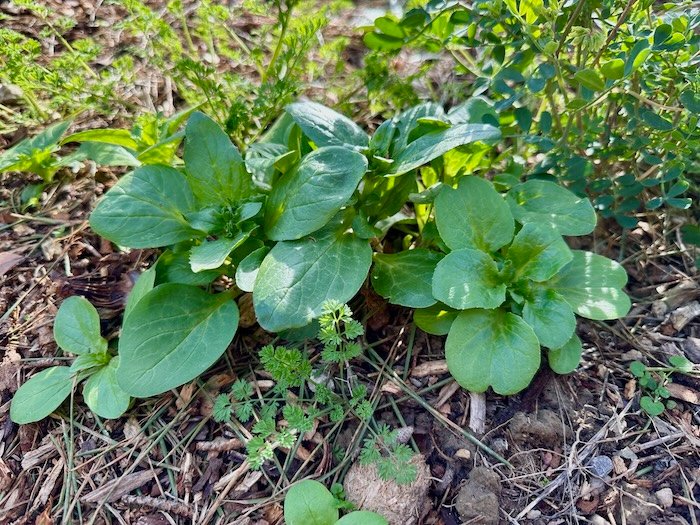
For the lamb’s lettuce I just threw all the seeds I had left into the raised beds and pretty much forgot about them. The Fedia I sowed in another raised bed but mostly under the olive tree, since it supposedly grows wild in olive groves around the Mediterranean.
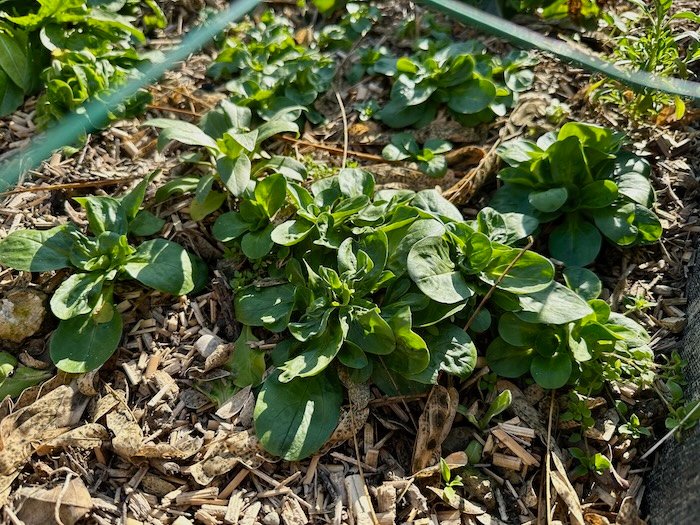
The Lamb’s lettuce came up thick last December. I didn’t bother separating the seedlings but just harvested the largest ones by pulling them out with the root, giving the others space to grow – thus gradually emptying the beds til the spring. By then we had had many dinners with lamb’s lettuce as a side dish – and quite enough of it until next winter.
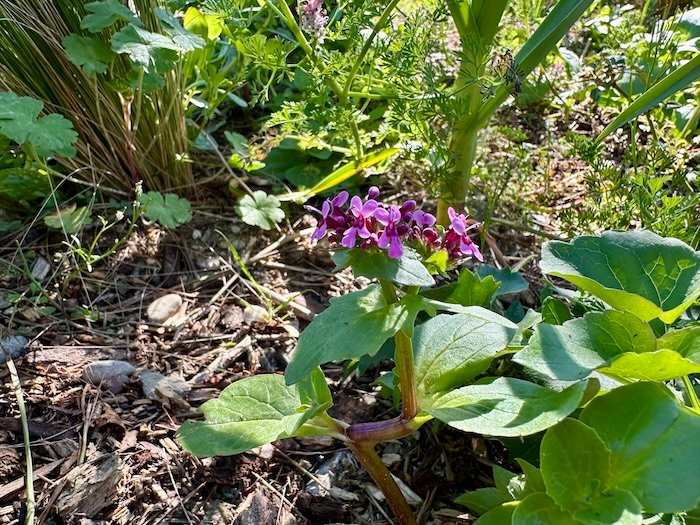
The Fedia also came up well, if a little later. Valeriana cornucopia looks very similar to regular Valeriana locusta, if a bit lighter green, and has a similar nutty taste. It is less susceptible to bolting as temperatures rise, instead making very pretty and very long-lasting pink flowers. If left alone it reseeds itself and indeed it has been growing again since early October in the raised bed (but not under the olive tree). This second growth has acquired a slightly unpleasant bitter aftertaste though so I’m not sure whether I will keep it around.

Leave a Reply